The Most Common Types Of Industrial Lubricants And Their Applications
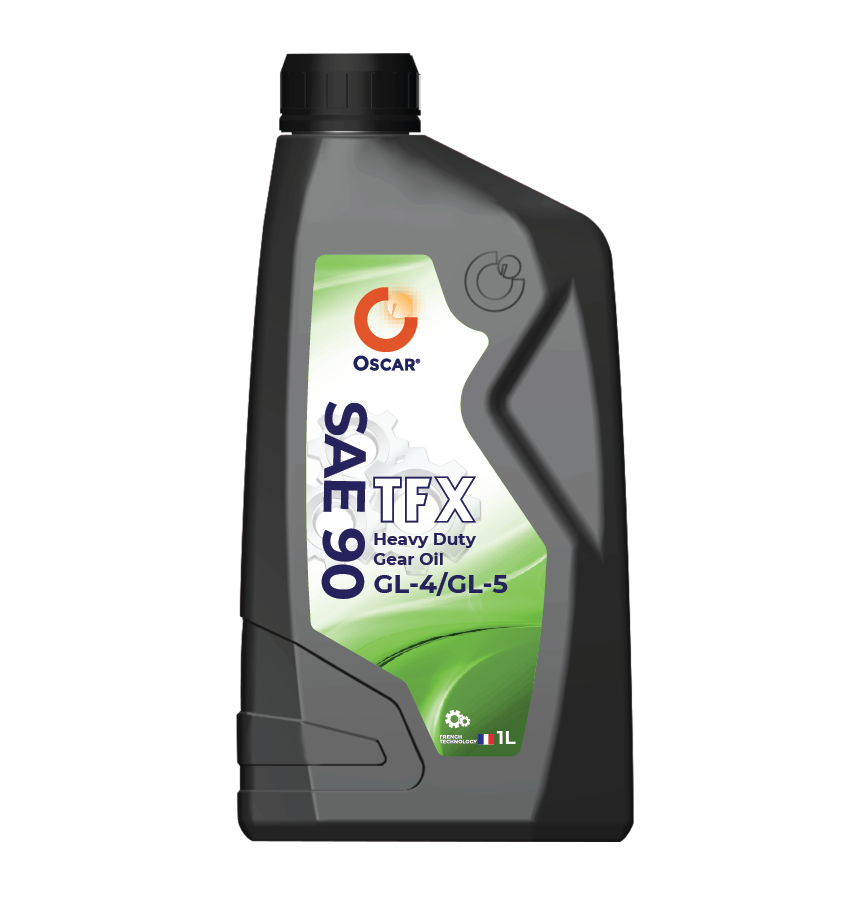
Running a factory involves keeping gears moving without heat or frictioncausing a total shutdown. Every machine has moving parts that rub against each other constantly. Without a slippery layer between them, these parts would grind down and break very quickly.
The right oily fluid keeps everything running smoothly and prevents costly repairs. This guide helps you identify the right industrial lubricants for your specific mechanical needs.
1. Mineral oils
Refined crude oil serves as the base for many common fluids found in local workshops. These liquids flow easily into small gaps to coat gears and bearings with a slippery layer. They work well for machines that do not face extreme heat or very cold temperatures. Using these oils keeps the cost of maintenance low while providing enough protection for standard tools. Simple pumps and fans usually run best with this type of basic fluid.
2. Synthetic oils
Engineers create these fluids in a lab to handle tough jobs. They stay stable when it gets very hot or freezing cold. Because they are man-made, they last longer and do not break down as fast as natural oils. They are perfect for high performance machinery.
3. Lubricating greases
Grease is essentially oil mixed with a thickener so it stays in one place. It is the best choice for parts like bearings or linkages where liquid oil would simply leak out. It acts like a seal to keep dirt and water away from the metal.
4. Solid lubricants
Sometimes a liquid or grease cannot be used because the environment is too messy or the pressure is too high. Substances like graphite or molybdenum disulfide provide a dry slippery coating. These work great in vacuum environments or where parts are hard to reach.
5. Aqueous lubricants
Water based fluids are used when cooling is the main goal. During metal cutting or grinding, these fluids carry heat away fast to prevent the tools from melting. They are mixed with special chemicals to prevent rust while they keep the work area cool.
6. Bio based oils
These fluids come from natural sources like vegetable oils instead of fossil fuels. They are a great pick for industries that work near water or in nature. They break down safely if they leak, making them a responsible choice for sensitive work sites.